
Day 90 — Confession and Consequence
When Sorrow Isn't the Same as Repentance
However you can engage today, we’re here. Read, listen or both.
The written portion gives an overview, with verses broken down into smaller bites, and journaling/prayer prompts for reflection. In the podcast, Steve Traylor reflects on today’s passage with Scripture reading, a deeper pastoral teaching, and prayer (about 15 minutes). Perfect for morning coffee, commutes, or when your eyes need a rest.
📖 Resources: Printable Bible Book Guides (Genesis & Job) · Through the Wilderness: A Lenten Prayer Guide · Hard Questions, Honest Answers
Exodus 9
Settle yourself before you begin today.
Egypt is being undone. Plague by plague, judgment by judgment, the most powerful nation on earth is learning that there is a God it did not know—and that God does not negotiate. For nearly two months now, Moses and Aaron have stood before Pharaoh with the same message: Let my people go, that they may serve me. And Pharaoh has said no—at first coolly, then stubbornly, then desperately, and then stubbornly again.
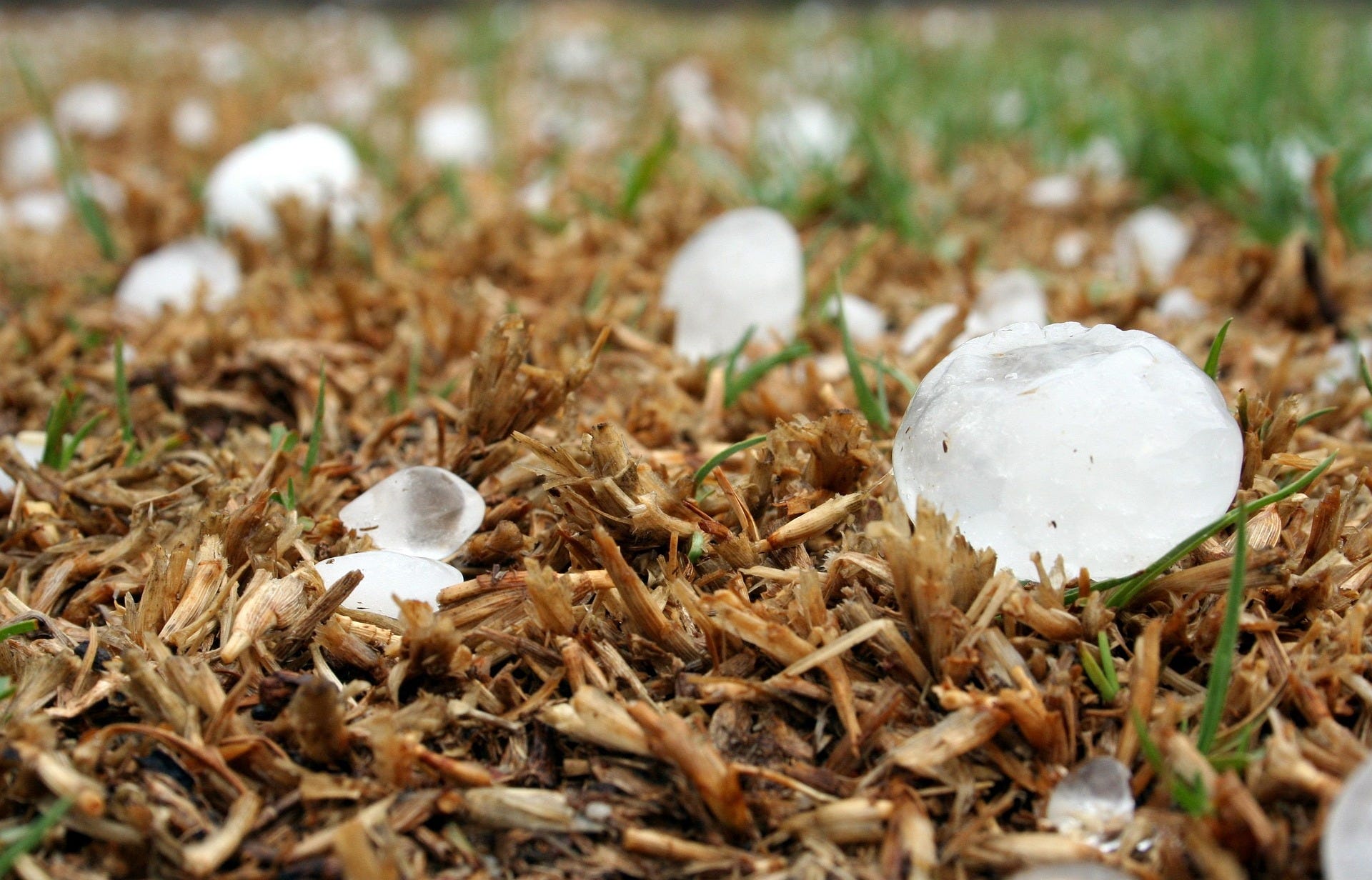
Three more plagues fall today. Livestock. Boils. Hail.
Each one is worse than the last. Each one reaches further into Egypt’s economy, its pride, its body. And by the end of the chapter, Pharaoh confesses—says the right words, calls himself wicked, calls God righteous. But when the hail stops, his heart hardens all over again.
Today we see that God is not fooled by accurate theology spoken without a changed life—and that the mercy He extends even through judgment is not to be treated cheaply.
1. Distinction and Death
Exodus 9:1-7
Then Yahweh said to Moses, “Go in to Pharaoh, and tell him, ‘This is what Yahweh, the God of the Hebrews, says: “Let my people go, that they may serve me. 2 For if you refuse to let them go, and hold them still, 3 behold, Yahweh’s hand is on your livestock which are in the field, on the horses, on the donkeys, on the camels, on the herds, and on the flocks with a very grievous pestilence. 4 Yahweh will make a distinction between the livestock of Israel and the livestock of Egypt; and nothing shall die of all that belongs to the children of Israel.”’” 5 Yahweh appointed a set time, saying, “Tomorrow Yahweh shall do this thing in the land.” 6 Yahweh did that thing on the next day; and all the livestock of Egypt died, but of the livestock of the children of Israel, not one died. 7 Pharaoh sent, and, behold, there was not so much as one of the livestock of the Israelites dead. But the heart of Pharaoh was stubborn, and he didn’t let the people go.
God’s request has not changed. It never changes. Let my people go, that they may serve me. No revision, no concession, no reduction. The demand is the same as it was in Exodus 5:1 and will remain so through Exodus 12. God does not adjust His terms to accommodate Pharaoh’s comfort.
The fifth plague is specific. Livestock: horses, donkeys, camels, herds, flocks. The economic backbone of the ancient world, the measure of a household’s wealth, the animals Egypt depended on for food, transport, labor, and trade. God named a time—tomorrow—and the next day, it happened exactly as He said.
What makes verse 7 remarkable is not that the livestock died. It is what Pharaoh did after. He sent someone to check. He verified the report. Not one Israelite animal died—a fact he had to confirm personally. And having confirmed it, his heart remained hard.
This is the pattern that runs through all ten plagues: evidence accumulates, is verified, is insufficient. Pharaoh was not struggling with a lack of information. He was struggling with a will that had set itself against the God of the Hebrews regardless of what that God did.
We are not immune to this. The plagues are just judgments. What Pharaoh’s refusal reveals is the hardness that was already there.
Journaling/Prayer: Is there a place in your life where you have examined the evidence of God’s faithfulness—even verified it—and still found your heart unmoved? What keeps you from yielding there?
You don’t have to resolve it today. But naming it honestly to God is a different posture than going home without letting it touch you. If you can’t go there at all, rest in this: God still made the distinction. Israel’s livestock were safe.
2. The Kilns and the Boils
Exodus 9:8-12
8 Yahweh said to Moses and to Aaron, “Take handfuls of ashes of the furnace, and let Moses sprinkle it toward the sky in the sight of Pharaoh. 9 It shall become small dust over all the land of Egypt, and shall be boils and blisters breaking out on man and on animal, throughout all the land of Egypt.”
10 They took ashes of the furnace, and stood before Pharaoh; and Moses sprinkled it up toward the sky; and it became boils and blisters breaking out on man and on animal. 11 The magicians couldn’t stand before Moses because of the boils; for the boils were on the magicians and on all the Egyptians. 12 Yahweh hardened the heart of Pharaoh, and he didn’t listen to them, as Yahweh had spoken to Moses.
The method is unassuming. Soot from a furnace—thrown into the air before Pharaoh—becomes fine dust over an entire nation. No staff raised over a river, no dramatic confrontation at dawn. Though the text doesn’t say so explicitly, some interpreters note that the kilns most readily available in Egypt were the brick kilns where Israelite slaves had labored, and that if so, the instrument of their oppression became the instrument of Egypt’s judgment.
No warning is given this time. The sixth plague arrives without announcement, as the third plague did before it. Four handfuls of soot thrown skyward become fine dust over an entire nation—an unmistakable miracle that no kiln in Egypt could actually produce.
The magicians could not stand before Moses because of the boils. This is the end of their contest. They who counterfeited the first plagues, who tried to match God’s power with their own techniques, are now physically disabled and publicly humiliated. They do not appear again in this narrative. The powers Egypt trusted to manage the divine have been removed from the room.
And then: for the first time in the plague narrative, God directly hardens Pharaoh’s heart. Pharaoh hardened his own heart in the earlier plagues—that is clearly stated. Now, after sustained and chosen refusal, God’s hardening becomes active.
Scripture does not fully explain the relationship between human will and divine sovereignty here, and we should not pretend it does. Both are real. What we can say is this: a heart that repeatedly refuses the grace it is given does not remain indefinitely soft.
Journaling/Prayer: Is there an area where you have noticed your own heart becoming more difficult to move over time—less responsive, less tender than it once was?
If this is hard to sit with, it’s okay to simply name it to God: “I don’t want to be unmovable. Keep me soft.” That is enough.
3. Raised Up for This
Exodus 9:13-21
13 Yahweh said to Moses, “Rise up early in the morning, and stand before Pharaoh, and tell him, ‘This is what Yahweh, the God of the Hebrews, says: “Let my people go, that they may serve me. 14 For this time I will send all my plagues against your heart, against your officials, and against your people; that you may know that there is no one like me in all the earth. 15 For now I would have stretched out my hand, and struck you and your people with pestilence, and you would have been cut off from the earth; 16 but indeed for this cause I have made you stand: to show you my power, and that my name may be declared throughout all the earth, 17 because you still exalt yourself against my people, that you won’t let them go. 18 Behold, tomorrow about this time I will cause it to rain a very grievous hail, such as has not been in Egypt since the day it was founded even until now. 19 Now therefore command that all of your livestock and all that you have in the field be brought into shelter. The hail will come down on every man and animal that is found in the field, and isn’t brought home, and they will die.”’”
20 Those who feared Yahweh’s word among the servants of Pharaoh made their servants and their livestock flee into the houses. 21 Whoever didn’t respect Yahweh’s word left his servants and his livestock in the field.
The introduction to the seventh plague is unlike any that came before it. God does not simply announce a judgment—He explains the larger architecture of what He is doing. Verse 16 is one of the most striking statements in the entire plague narrative, and the apostle Paul quotes it in Romans 9:17: “For this very purpose I raised you up, that I might show my power in you, and that my name might be proclaimed in all the earth.”
God declares that He could have already destroyed Pharaoh and ended the contest. He has not—so that His name can travel farther than Egypt’s borders.
God’s purposes in judgment are never only local. What happens in Egypt is not merely Egypt’s story. It is the story the whole earth will hear—that there is a God who delivers, who sees His people’s suffering, who acts on their behalf, who cannot be matched by any other power. Jethro will hear it in Midian (Exodus 18:11). Rahab will hear it in Canaan (Joshua 2:10). This is the text’s own claim about why these events took the shape they did.
Then something unexpected: some of Pharaoh’s servants fear God’s word and bring their people indoors. The warning about the hail is genuinely offered—bring your livestock inside, and they will be saved. Some respond. Some do not. God extends mercy even through the announcement of judgment.
Journaling/Prayer: Are there warnings God has given you—through Scripture, through people who love you, through hard circumstances—that you have not yet taken seriously? What would it look like to respond to one of them today, even a small one?
If you’re not sure where to begin, notice that the servants who responded didn’t have to understand everything. They simply heard the word and believed it enough to move.
4. Fire and Field
Exodus 9:22-26
22 Yahweh said to Moses, “Stretch out your hand toward the sky, that there may be hail in all the land of Egypt, on man, and on animal, and on every herb of the field, throughout the land of Egypt.”
23 Moses stretched out his rod toward the heavens, and Yahweh sent thunder and hail; and lightning flashed down to the earth. Yahweh rained hail on the land of Egypt. 24 So there was very severe hail, and lightning mixed with the hail, such as had not been in all the land of Egypt since it became a nation. 25 The hail struck throughout all the land of Egypt all that was in the field, both man and animal; and the hail struck every herb of the field, and broke every tree of the field. 26 Only in the land of Goshen, where the children of Israel were, there was no hail.
What falls from the sky is not simply ice. Fire and hail together—lightning running through the storm—a combination the text calls unlike anything Egypt had ever seen. The crops that the livestock plague had spared are now struck. The trees are broken. What the fifth plague did to the animals, the seventh plague does to the harvest and the landscape.
And Goshen is untouched. Again—as with the livestock plague, as with the distinction God drew throughout these chapters—His people are set apart. Not because they earned it. Not because their ground was higher or their houses were stronger. Because God watched over them. While the storm raged across Egypt, Goshen stood dry.
God’s people do suffer—the rain falls on the just and unjust. But this moment in Exodus is a concrete declaration: the God who delivers sees where His people are, and He can draw a line around a place and hold it. We do not always know where the line falls. But we know who draws it.
Journaling/Prayer: Can you remember a time when something that could have broken you did not? A place where you were kept—perhaps in ways you didn’t recognize until later?
If you can’t find that today, it’s okay to say so. The prayer can simply be: “Lord, I need to know that Goshen is real. That You can keep what You choose to keep. Help me trust that even when I can’t see the boundary.”
5. The Confession That Wasn’t
Exodus 9:27-35
27 Pharaoh sent and called for Moses and Aaron, and said to them, “I have sinned this time. Yahweh is righteous, and I and my people are wicked. 28 Pray to Yahweh; for there has been enough of mighty thunderings and hail. I will let you go, and you shall stay no longer.”
29 Moses said to him, “As soon as I have gone out of the city, I will spread out my hands to Yahweh. The thunders shall cease, and there will not be any more hail; that you may know that the earth is Yahweh’s. 30 But as for you and your servants, I know that you don’t yet fear Yahweh God.”
31 The flax and the barley were struck, for the barley had ripened and the flax was blooming. 32 But the wheat and the spelt were not struck, for they had not grown up. 33 Moses went out of the city from Pharaoh, and spread out his hands to Yahweh; and the thunders and hail ceased, and the rain was not poured on the earth. 34 When Pharaoh saw that the rain and the hail and the thunders had ceased, he sinned yet more, and hardened his heart, he and his servants. 35 The heart of Pharaoh was hardened, and he didn’t let the children of Israel go, just as Yahweh had spoken through Moses.
Pharaoh’s confession in verses 27-28 sounds nearly perfect. I have sinned. Yahweh is righteous. I and my people are wicked. These are the right words. They are theologically accurate. Pharaoh knows what happened, who was at fault, and what is true.
Moses sees through it immediately. “I know that you don’t yet fear Yahweh God.” Not as an insult—but as an honest assessment. Fear of God is not the same as grief over consequences. What Pharaoh felt was the latter: the pain was unmanageable, the situation was out of control, and he needed it to stop. The words came from pressure, not from transformation.
Moses still prays. He leaves the city, spreads his hands to God, and the storm ceases. He prays for the man he knows is not sincere. He intercedes for the relief of people under a Pharaoh who will use that relief to harden again. This is not naivety—Moses names the truth plainly. But he acts in accordance with God’s character, not in accordance with Pharaoh’s worthiness.
And then, exactly as Moses knew: when the hail stops, Pharaoh’s heart hardens again. The flax and barley were destroyed; the wheat and spelt had not yet sprouted and were spared. Two crops remain. Partial devastation—but not total. And Pharaoh, with the sky now clear, goes back to who he was.
Sorrow is real even when it isn’t repentance. We should not be too quick to read Pharaoh’s confession as pure calculation. He may have felt the weight of it in the moment. The storm may have genuinely terrified him. But terror under judgment and turning toward God are not the same thing. Repentance—the kind that lasts—is not measured by what we say in the storm. It is measured by what we do when the sky clears.
Journaling/Prayer: Have you ever confessed something to God under pressure, then found yourself returning to it once the pressure eased? What would it look like to let the confession outlast the crisis—to continue turning even when the urgency is gone?
If this is painful to sit with, you are not alone in it. Peter denied Christ the same night he promised he wouldn’t. The question is not whether we have ever been Pharaoh in this—it’s what we do with that honesty.
Summary
Exodus 9 covers three plagues and ends with a confession that dissolves as soon as the relief comes. But the chapter is not ultimately about Pharaoh’s failure. It is about the clarity of God.
He is clear about His purpose: “that you may know that there is no one like me in all the earth.” He is clear about His mercy: warnings are given, shelter is offered, even Pharaoh’s servants who believe are spared. He is clear about the distinction He makes for His people: Goshen is dry, Israel’s livestock are alive, the line is real. God does not require perfect faith in order to extend protection—only that we hear the word and move.
The hardest verse in this chapter may be verse 7: Pharaoh sent and verified—and it still made no difference. Evidence confirmed, heart unchanged. The distance between knowing something is true and actually yielding to it is one of the most significant distances in the human soul.
True repentance is not measured by what we say in the storm. It is measured by what we do when the sky clears.
Action/Attitude for Today
Hold this as you move through the day: God’s mercy is extended even in the middle of judgment. The question is whether we receive it.
If you have very little today, take verse 20 with you: “Some of Pharaoh’s servants feared Yahweh’s word, and made their servants and their livestock flee into the houses.” They were not the people of God. They were Egyptians. And they believed the warning and moved. That is all that was required of them. It is enough to simply hear and move.
If you can do a little more: bring to God something you have confessed under pressure and returned to when the pressure lifted. Not to condemn yourself—but to name it honestly. The difference between Pharaoh and a returning child is not the failure; it is the continued turning. “Lord, the pressure passed, and I went back. I want to keep turning even when I don’t have to.”
If you want to go further still: ask God where He has drawn lines around your life that you have not noticed—places you were kept when you could have been struck. Let that gratitude be the beginning of today’s worship.
Say this prayer, as much of it as you mean: “Lord, I don’t want to be the kind of person who confesses in the storm and forgets in the clearing. I don’t want sorrow over consequences—I want an actual change of direction. I know I can’t produce that myself. Work in me what I cannot work. Keep my heart soft enough to stay turned toward You even when the urgency is gone. You are righteous. I am not. That gap is exactly where grace lives. Thank You for not giving up. Amen.”

The Bible for the Broken is published by Aurion Press LLC. © Aurion Press LLC. All rights reserved.